15 Family Game Room Ideas That Everyone Will Actually Use
A family game room works when a nine-year-old, a teenager and a grandparent can all find something to do in it. The trick is not buying more equipment. It is arranging a space where different kinds of play can happen side by side without fighting for the same corner.
Whether you have a basement, a spare bedroom, a corner of the living room or just a dining table that works overtime, the ideas below will help you plan a room that gets used every week rather than once a month.
Disclosure: This post contains affiliate links. If you buy through them, we may earn a small commission at no extra cost to you.
Quick Overview of the Ideas
- Three-zone layout
- Board game wall library
- Shared console corner
- Carrom and tabletop nook
- Foldable table tennis setup
- Mini arcade nook
- Projector movie-and-play wall
- Two-height storage system
- Spare bedroom conversion
- Rolling snack cart
- Scoreboard and trophy shelf
- Quiet puzzle corner
- Dining room that doubles as a game room
- Family memory wall
- Layered lighting plan
Plan Before You Buy
Spend ten minutes asking how your family really plays. If everyone drifts to phones, a console corner matters more than a ping-pong table. If weekends mean cards and carrom, put your money into a solid table and good lighting.
| Your situation | Start with | Why it works |
|---|---|---|
| Small room or flat | Foldable table, wall shelves, floor cushions | Keeps the floor clear and lets you reset the room in minutes |
| Kids and adults together | Two or three activity zones | Nobody has to wait for a turn on one big activity |
| Board and card game fans | Sturdy table plus open shelving | Quick setup and quick tidy-up |
| Console and movie lovers | Wall-mounted screen and soft seating | One shared screen everyone can see |
| Frequent guests | Movable seating and a snack cart | Layout flexes with the size of the crowd |
15 Family Game Room Ideas
1. The Three-Zone Layout
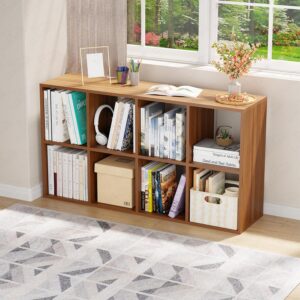
Divide the room into three simple areas: a table zone for sit-down games, a screen zone for consoles and movies, and an open patch of floor for anything active. Use a low bookshelf or a rug edge as the divider rather than a wall.
Keep the middle walkway clear. When people can move between zones easily, the room feels bigger and nobody gets stuck behind furniture.
Doubles as a room divider and holds games, controllers and puzzles in one place.
2. A Board Game Wall Library
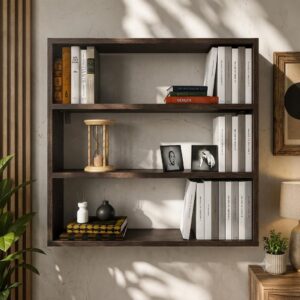
Stand game boxes upright on a sturdy shelf and group them by length of play: quick games on the lower shelf, long strategy games higher up. Small baskets hold dice, cards and tokens so nothing gets lost.
Put a wide table close by. A pendant lamp or bright ceiling light right above it turns the corner into a proper game-night spot.
3. A Shared Console Corner
Skip the intense “gamer cave” look. A comfortable sofa, a couple of floor cushions and a wall-mounted TV make a console area the whole family will sit in, not just the gamer.
Keep controllers in one labelled spot and tuck cables behind the TV unit so the corner stays neat after every session.
A wall or desk holder gives every controller a home so they stop vanishing between cushions.

4. A Carrom and Tabletop Nook
Many Indian homes already own a carrom board, a chess set and a Ludo or Snakes and Ladders box. Give them a permanent corner with a table at the right height and a storage basket underneath, and they get played far more often.
Add a couple of stools that tuck under the table so the nook stays compact when not in use.
A good full-size board is one of the best-value additions for a mixed-age family.
5. A Foldable Table Tennis Setup
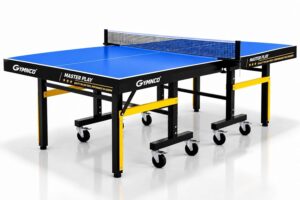
If you have room for movement, a foldable table tennis table gives the active members of the family something to do. When not in use it folds upright against a wall and frees the floor again.
Leave generous space around all four sides and keep sofas and glass items well away from the playing area.
Check the folded dimensions against your room before ordering.
Buy Now on Amazon
6. A Mini Arcade Nook
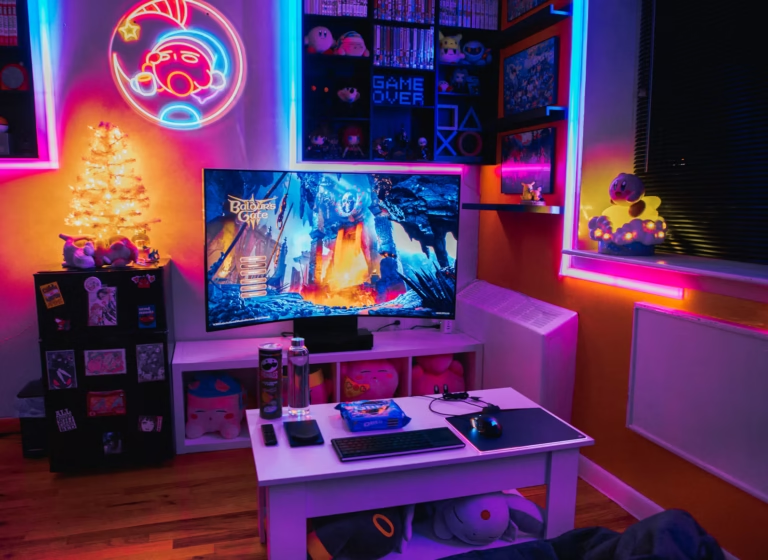
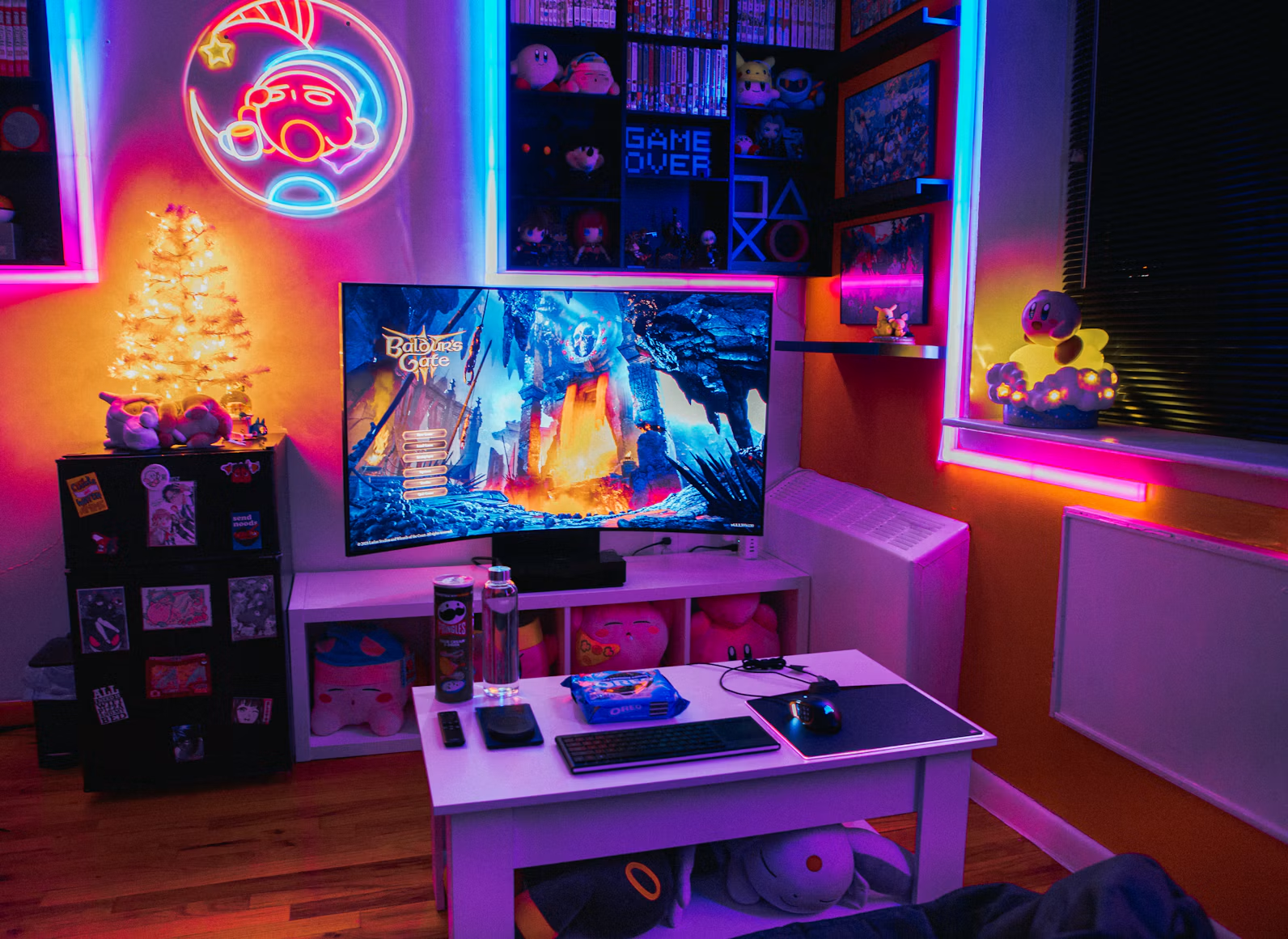
Give one corner a retro feel: a compact tabletop arcade or mini basketball hoop, a framed poster and a small neon-style sign. Keeping it to one corner means the rest of the room stays calm and easy to redecorate.
A simple “Game On” style sign adds personality without a full theme makeover.

Buy Now on Amazon
7. A Projector Movie-and-Play Wall
Use one blank wall for both movie nights and big-screen gaming. A projector and a pull-down screen can replace a large TV if your room is long enough and you can darken it with curtains.
Put dimmable lighting nearby so the room can shift from bright board game mode to dim movie mode in one click.
8. Two-Height Storage
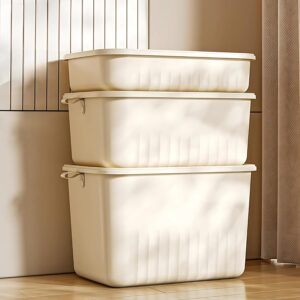
Place open baskets and low shelves at child height for blocks, cards and simple games. Reserve higher shelves or closed cabinets for consoles, delicate items and anything with small parts.
This lets younger children help clean up and builds the habit of putting things back.
Great for dice, cards, craft kits and small puzzle pieces.
Buy Now on Amazon
9. A Spare Bedroom Conversion
An unused bedroom is one of the easiest places to start. Move the bed out, add a sofa bed or floor seating for guests, and bring in a sturdy table. You keep a sleeping option for visitors while gaining a room for everyday play.
10. A Rolling Snack Cart
A small trolley holds drinks, bowls and napkins, then wheels away when the game is over. It also keeps food off your console shelf and away from board game boxes.
Doubles as extra storage for controllers, chargers and card decks.
11. A Scoreboard and Trophy Shelf
A whiteboard or framed chalkboard near the game table makes running scores part of the fun. Add a small shelf for a silly trophy that passes to the weekly winner.
Keep the rules light. The point is to make game night feel like an event, not to add admin.
12. A Quiet Puzzle Corner
Not everyone wants noise. A reading chair, floor lamp and a tray for a jigsaw puzzle give calmer family members a place to join in without the buzz of a tournament nearby.
13. The Dining Room That Doubles as a Game Room
If you have no spare room, use the dining table. A sideboard or low cabinet can hold board games, cards and chargers, and light stackable chairs let you reconfigure the space quickly.
Choose a table finish that resists scratches and heat so dinner and game night can share the same surface.
14. A Family Memory Wall
Frame photos from holidays and game nights, add a few vintage board game boxes as wall art, and hang a handmade scoreboard from a favourite tournament. Matching frames keep a mixed collection looking tidy.
15. A Layered Lighting Plan
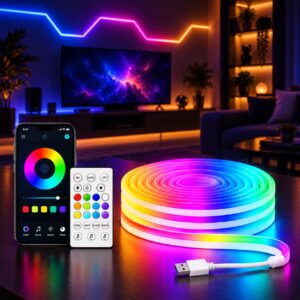
Combine one bright overhead light for board games, a warm lamp for relaxed corners and dimmable LED strips behind the TV or shelves for movie and console time. Layered lighting changes the room’s mood without changing the furniture.
Look for a remote control and warm-white option so the lighting suits every activity.
Buy Now on Amazon
Family Game Room Checklist
Must-haves
- Seating that fits your regular group size
- One strong table or play surface
- Easy-reach storage for games and accessories
- Bright general light plus softer accent lighting
- A clear path through the room
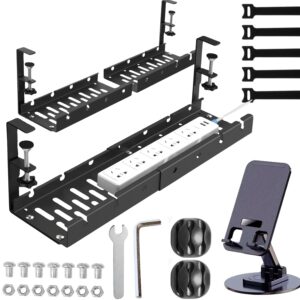
- Safe, tidy cable routing
Nice-to-haves
- Snack cart or beverage corner
- Projector or larger screen
- Scoreboard and trophy shelf
- Arcade or tabletop sports game
- Photo or art wall
Cable clips and sleeves keep wires off the floor and out of little hands.
Buy Now on Amazon
Mistakes to Avoid
- Buying big before testing: Try a folding table first to see whether the family actually uses it.
- No place for small pieces: Loose dice and cards are the fastest route to a messy room.
- Dark corners: Moody lighting is fun, but you still need to read cards and spot game pieces.
- One type of seating: Mix sofa, chairs and floor cushions so everyone finds a comfortable spot.
- Cables across the walkway: They are a trip hazard, especially for children and guests.
- Over-theming: A few decor touches age better than a full theme that your kids outgrow.
Frequently Asked Questions
What does a family game room need most?
Comfortable seating, a good table or play surface, easy storage, decent lighting and clear floor space. Once those are in place, add the games and gadgets your family really enjoys.
How do I set up a family game room in a small space?
Use foldable furniture, wall-mounted shelves and a wall-mounted TV. Keep the centre of the room open and choose seating with hidden storage so the room can change function quickly.
How can I make a game room work for kids and adults?
Offer different activity types in different zones: board games, a screen area, something active and a quiet corner. Use durable furniture and keep adult-only or fragile items stored higher up.
How can I build a family game room on a budget?
Start with what you already own: use the dining table, an existing bookshelf and baskets for storage. Add a rug, a few frames and dimmable lights to change the feel without a big spend.
How do I keep a game room organised?
Give every category a fixed home. Games go on shelves, small pieces in labelled bins and controllers on a holder near the TV. If cleanup takes under five minutes, the room stays tidy.
Final Thoughts
The best family game room is the one that fits how your household plays. You do not need a huge basement or expensive equipment: a good table, smart storage, flexible seating and a few activities everyone likes are enough. Start small, see what gets used, and let the room grow with your family.
About the Author